Remote Clinical Coding in Australia: The Complete Guide
Post Author:
TalentMed

Remote & Flexible Work
Remote Clinical Coding in Australia: The Complete Guide
Remote clinical coding is now one of the most common working arrangements in Australian health information services, with many public and private hospitals offering fully remote or hybrid roles to experienced coders. Because coding is digital, quiet and output-measurable, it suits home-based work well, and coder shortages have pushed employers to make remote arrangements standard.
This article covers how remote clinical coding actually works in Australia: the types of arrangements employers offer, who hires remote coders, how to set up a compliant home office, the tools you’ll use, your privacy and security obligations, and how to land your first remote role. Figures and examples are drawn from Queensland Health, Ramsay Health Care, third-party coding providers and current Seek listings.

Is remote clinical coding common in Australia?
Yes. Remote clinical coding is now the default arrangement for experienced coders across most Australian public health services, private hospital groups, and third-party coding providers. It’s one of the few non-clinical healthcare roles where full-time remote work is both widely available and award-backed at full pay.
Three things made remote coding mainstream in Australia. First, coding is entirely computer-based: coders read discharge summaries, operation reports and pathology results in the hospital’s electronic medical record, then enter ICD-10-AM, ACHI and DRG codes into a coding system. TNo patient contact. Second, output is easy to measure, so managers can confirm productivity without being in the same room. Third, a persistent national shortage of qualified coders means hospitals that insist on onsite work lose candidates to employers who don’t.
The practical picture in 2026:
For a broader look at the job market and who’s hiring, read Clinical Coding Jobs in Australia.
Types of remote coding arrangements
Remote clinical coding in Australia falls into four common arrangements: full-time employee (onsite, hybrid or fully remote), fixed-term employee, third-party contract coder, and independent ABN contractor. Each trades off security, flexibility and pay in different ways.
How the four arrangements compare on the things that matter most:
| Arrangement | Typical pay | Who it suits |
|---|---|---|
| Permanent employee, hybrid | Award-backed ($87,000 to $142,000) | Early-career coders building skill while keeping flexibility. |
| Permanent employee, fully remote | Award-backed, often with small remote loading | Experienced coders (12 months plus) who want predictable income. |
| Third-party coding provider (employee) | Market-rate salaried, often 5 to 10 per cent premium | Coders who want remote work from day one and variety of case-mix. |
| ABN contractor | $55 to $90 per hour (self-managed super, leave, equipment) | Senior coders and auditors who want autonomy and higher headline rate. |
A typical career pattern is to start as a hybrid employee, move to fully remote after 12 to 24 months, and only consider contracting once you have auditor-grade accuracy. Jumping straight to contracting without that foundation is harder because most providers will not take a coder without a demonstrated track record.
For more on how pay compares across these arrangements, read Clinical Coder Salary in Australia.
Employers that hire remote clinical coders
Four categories of employer actively advertise remote clinical coding roles in Australia: public health services, private hospital groups, third-party coding providers, and health insurers. The public and private hospital groups account for the majority of remote roles.
Current listings on Seek and CareerOne usually flag whether a role is onsite, hybrid or fully remote in the job title or first line of the description. Filtering Seek for “remote” or “work from home” typically surfaces 30 to 60 active clinical coding listings nationally at any given time.
How to set up a compliant home office for clinical coding
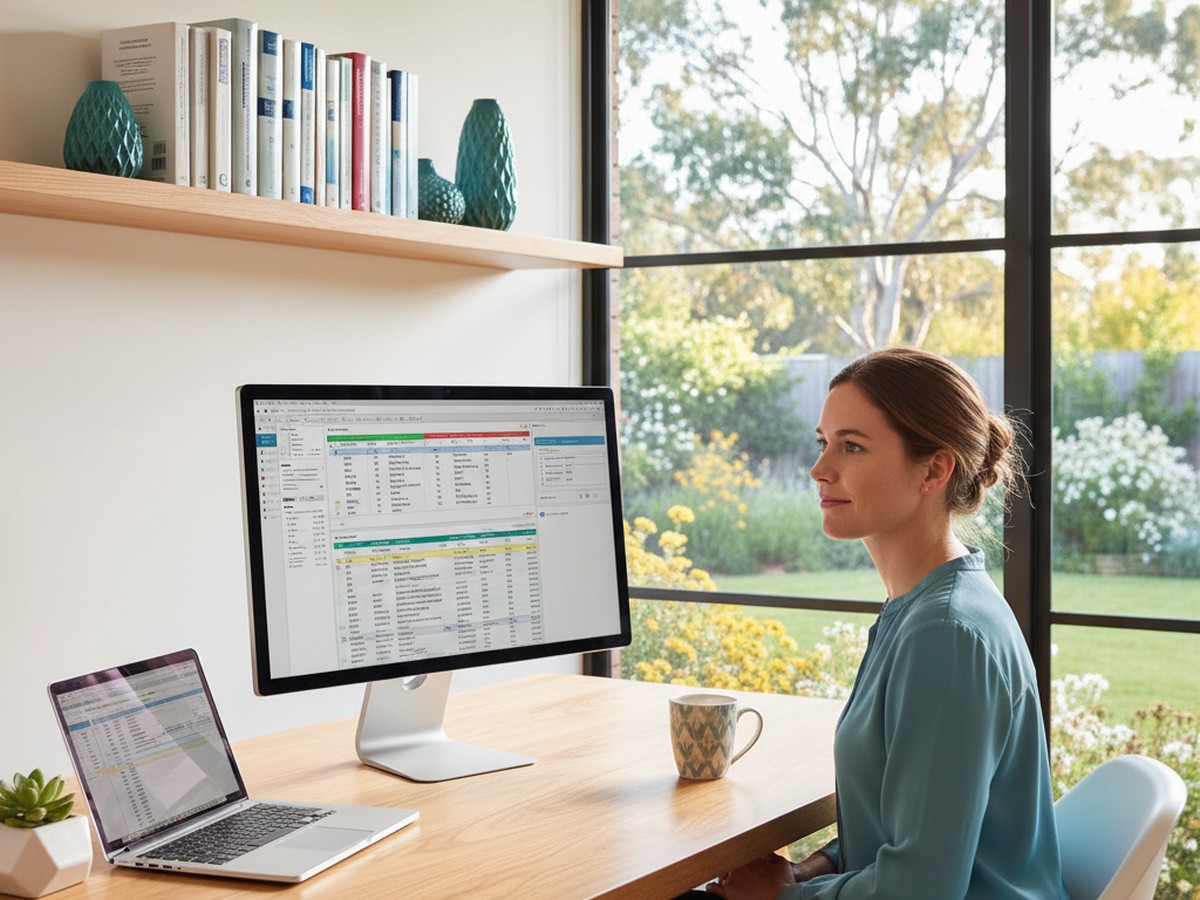
A compliant home office for clinical coding needs a private, lockable workspace, a reliable encrypted connection to the hospital network, and an ergonomic setup that supports long screen-based hours. Most employers audit the setup (often with a photo-based checklist) before approving remote work.
Use the six steps below to set up your home office so it passes an employer’s privacy and ergonomic review the first time:
- 1Dedicate a private room with a lockable door. Patient information must not be visible to housemates, family or visitors. A spare bedroom or converted study works. A dining-room corner generally does not.
- 2Position your monitor away from windows and doorways. Use a privacy filter if the screen can be seen from outside. Never leave a patient record on-screen when you step away from the desk.
- 3Use employer-issued equipment only. Hospitals typically supply a laptop, encrypted USB-C dock, second monitor and token-based VPN. Personal devices are almost never allowed to access the medical record.
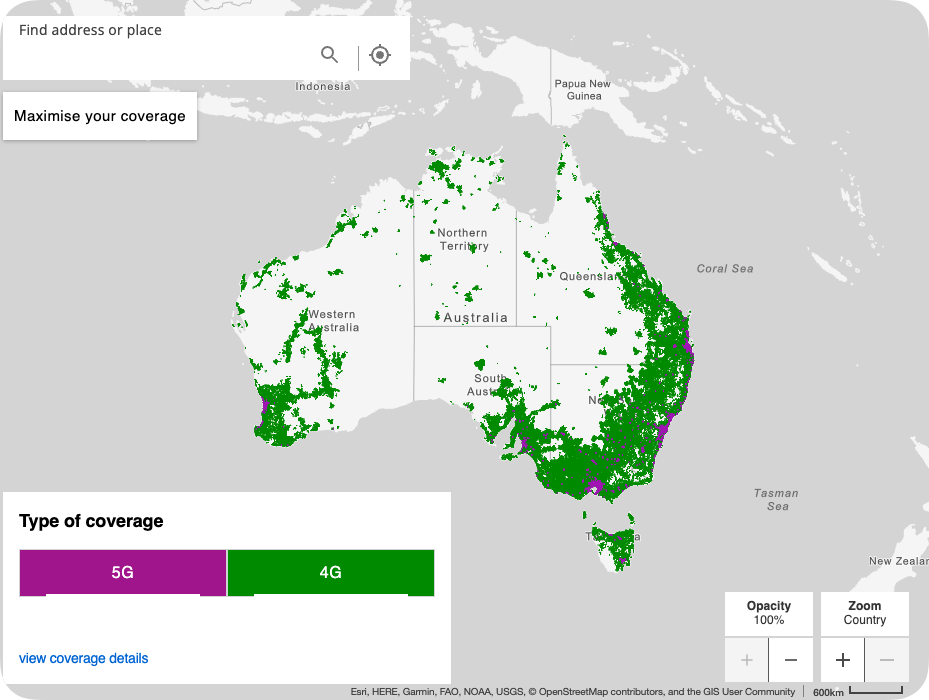
- 4Confirm your internet speed and reliability. A stable broadband connection (NBN 50 or better) with a wired Ethernet link is typically expected for reliable VPN access to clinical systems. NBN fibre-to-the-home or 5G home internet both work where coverage is strong.
- 5Set up an ergonomic desk and chair. Adjustable chair with lumbar support, desk height 70 to 75 cm, top of monitor at eye level, keyboard and mouse at elbow height. Coders spend six to eight hours a day at screens, so this is non-negotiable.
- 6Secure any printed materials. If your employer allows printed coding reference sheets, store them in a locked drawer when not in use. Never leave the ICD-10-AM manual open where visitors can see annotated patient notes.
Most Australian public health services publish a remote work self-assessment form that covers all of the above. Ask your manager for it before your first at-home day, not after.
Tools and software remote coders use
Remote clinical coders in Australia use the same software stack as onsite coders: the hospital’s electronic medical record, a coding encoder or grouper, ICD-10-AM, ACHI and Australian Coding Standards references, and a secure VPN into the hospital network. The tooling is provided by the employer, not the coder.
A typical remote coder’s daily stack looks like this:
The TalentMed HLT50321 Diploma of Clinical Coding teaches on a simulated EMR and uses the current 13th edition ICD-10-AM, ACHI and ACS classifications, so graduates are ready for the Australian tooling stack from day one. For a deeper look at the classifications, read ICD-10-AM Explained.
Privacy and security: the remote coder’s duty
Remote clinical coders have the same privacy obligations as onsite coders under the Privacy Act 1988 (Cth) and state health records legislation. Working from home doesn’t change the duty; it just shifts the risk surface, so employers have stricter controls over equipment, access and physical environment.
The specific obligations every remote coder should know and follow:
Hospitals audit remote coder activity through VPN logs, EMR access logs and occasional home-office spot checks (usually by video call). Coders who follow the basic rules rarely have issues; breaches almost always come from shortcuts like saving a screenshot for later or discussing a case at the dinner table.
Pros and cons of remote coding work
Remote clinical coding offers unusual flexibility and geographic freedom, but it also requires strong self-management and can feel isolating early on. Most experienced coders rate the pros as clearly outweighing the cons, which is why uptake has been so high.
An honest breakdown of both sides:
If you’re drawn to coding partly because it offers remote or flexible work, you’re in good company. See Is Clinical Coding Right for You? for more on the kind of person who thrives in this role.
How to land your first remote coding role
Most remote clinical coding roles in Australia expect 12 to 24 months of onsite coding experience first, so the realistic pathway is to qualify, take an onsite or hybrid role, and transition to fully remote once you have auditor-grade accuracy. Trying to skip the onsite stage is usually harder than taking the longer route.
A practical three-step pathway to get to full-time remote coding:
When applying for remote roles specifically, emphasise three things on your CV and cover letter: demonstrated productivity (episodes per day), demonstrated accuracy (audit pass rate), and a ready-to-audit home office setup. Employers screen remote applications heavily on these.
Train with Australia’s best-value Diploma of Clinical Coding
The HLT50321 Diploma of Clinical Coding is TalentMed’s flagship qualification and the one Australian hospitals consistently ask for when shortlisting entry-level coders. It’s 100% online, takes about 12 months, and is priced as Australia’s best-value Diploma of Clinical Coding.
Related reading
Keep exploring
Frequently asked questions
Sources: Queensland Public Health Sector Certified Agreement (EB12), effective 1 September 2025; employer remote-work policies at major Australian public and private hospital groups; current listings on Seek and CareerOne; Privacy Act 1988 (Cth) and Notifiable Data Breaches scheme. Remote arrangement descriptions are generalised; specific employer policies vary. TalentMed Pty Ltd, RTO 22151.
Want to find out more?
Speak to a TalentMed course adviser about HLT50321.
12 months, 100% online, flexible payment plans, daily intakes year-round.